

November 12, 2025
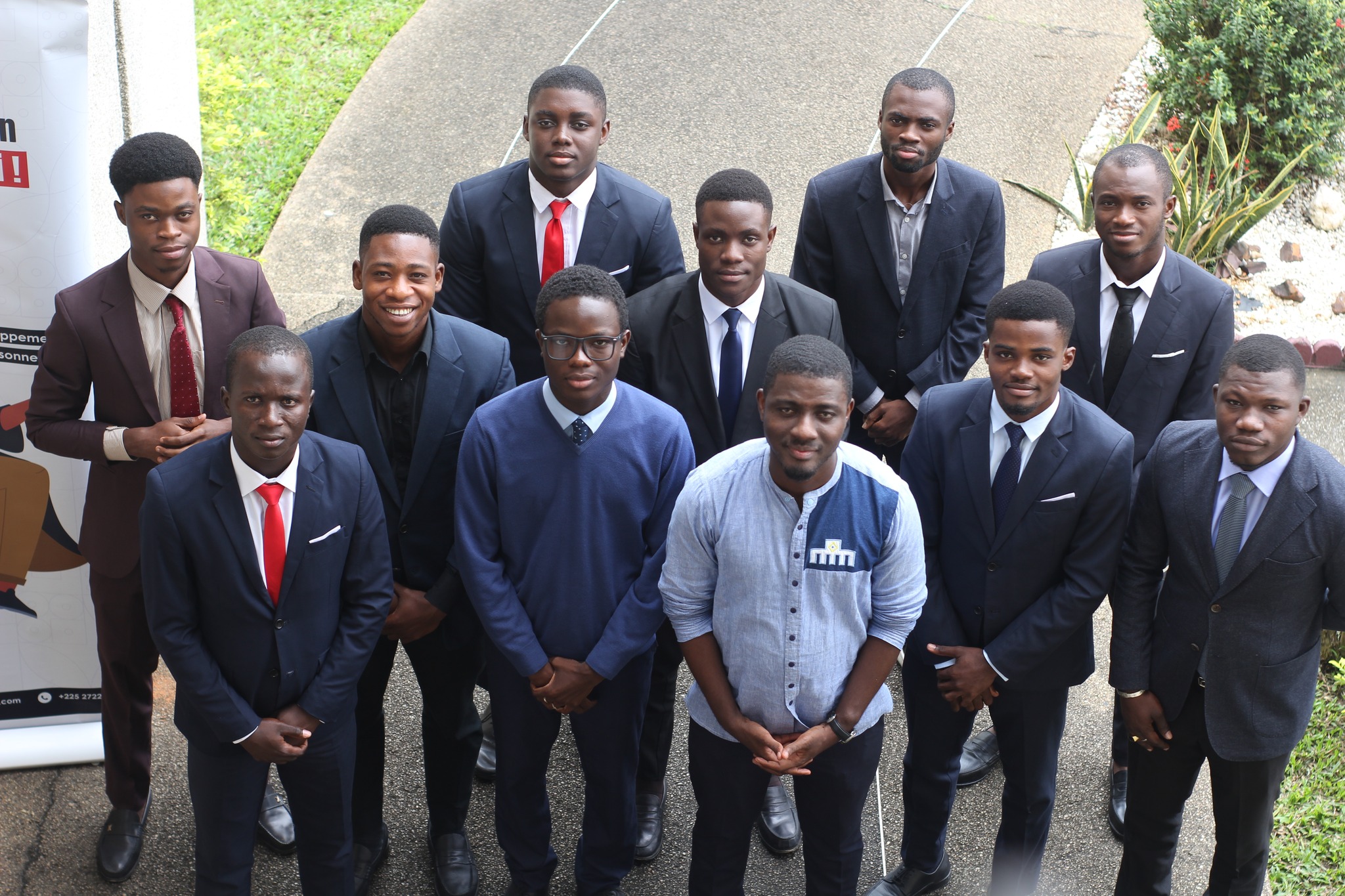
A group of 21 young men gather together in Abidjan, within a building owned by the non-profit ADESC (Association pour le Développement Social et Culturel). It is Saturday morning, and the weather outside is tropically warm. The average age is 22. Though typical youths in this city might spend their Saturday at the beach, these young men are thinking about their long-term goals.
They are taking a class called “Build Your Future” (BYF). This year-long class, offered twice a week, is focused on leadership, personal development and entrepreneurship. The class has 6 coaches who teach business classes and offer personal mentoring to each participant. The class has been operating, in its present format, since 2018.
The Situation in Ivory Coast
Ivory Coast is located on the southern coast of West Africa. Its economic capital, Abidjan, has an estimated 5.1 million inhabitants. The country as a whole has 31.5 million inhabitants and is relatively stable politically. From 2012 to 2023, the economy grew by an average of 7.1% per year. Despite this, 46.1% of the nation lives below the poverty line. The country is diverse: 42% of the population is Islamic, while 40% is Christian. Besides French, 78 other languages are spoken.
One of the main problems affecting young men and women is unemployment and underemployment. Many young people work in the informal sector, which does not provide decent living wages.
Build Your Future: Making Young Men Employable
Antoine Lhote came to live in the Ivory Coast 38 years ago from his native France. He works at the MDE Business School as the scientific director and professor of decision-making. Lhote is also the treasurer for ADESC, a non-profit dedicated to social and economic development. He and other members of ADESC realized 8 years ago that in order for young men to become employable, they needed help in gaining hard and soft business skills. ADESC believes that any development initiative must create real autonomy for the beneficiaries.
“Build Your Future teaches leadership, entrepreneurship, public speaking, ethics, how to create a business, professional English and accounting,” said Lhote. “The program’s goal is to help the boys learn skills so that they can become employable.”
Though BYF is inspired by the Catholic faith, the program is open to everyone. In fact, both Christians and Muslims participate.
“The kind of students who come to our program are either beginning or ending university. Some are studying law, others medicine, others engineering. They come from different universities in Abidjan,” said Jean Jacques Amany, one of BYF’s coaches.
The students find out about BYF through social media as well as by word of mouth and testimonials from former participants.
What Employers are Looking For
There are many problems that adults see in the young people of the Ivory Coast.
“Many young people I meet don’t take responsibility. There is a lot of complaining. They expect solutions from others. I want them to realize that, actually, they can do a lot,” said Amany.
In order to become good professionals, they need to understand how the world works. To that end, participants need to be dressed in formal clothes for the meetings.
“What we found was that many of the young people here do not really know what a company is. They do not know how to act when they begin to work. This is a big problem with Generation Z,” said Lhote.
Across the Ivory Coast, like so many Western nations, young men are spending too much time on their cell phones.
“In Ivory Coast, there are more phones than people. There are 35 million cell phones and only 31 million people,” said Lhote.
Teaching Hard and Soft Skills
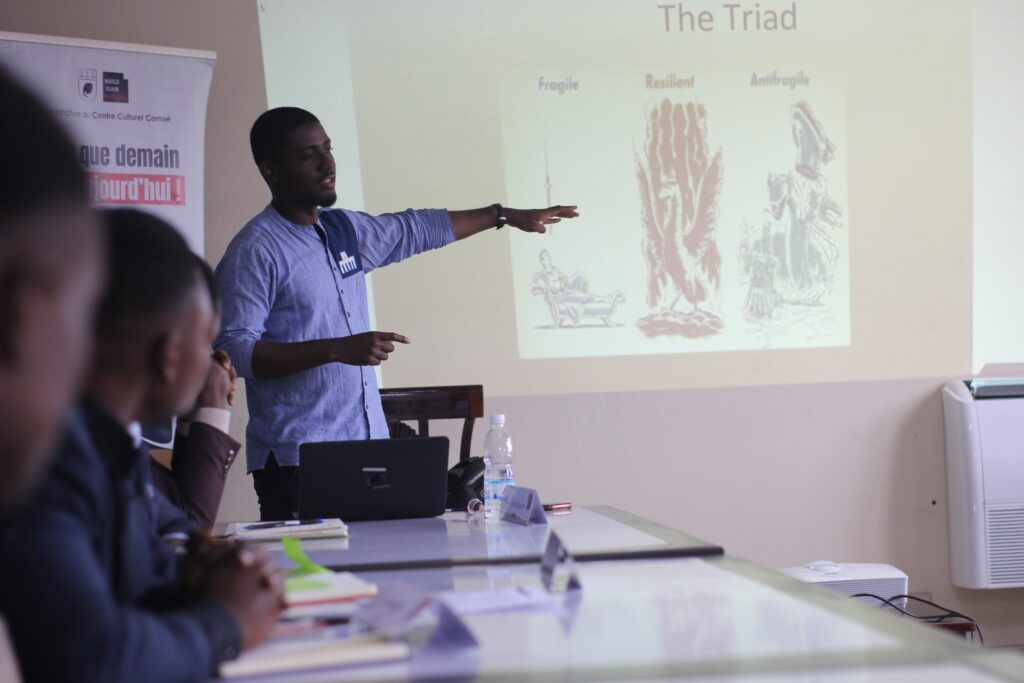
A big emphasis of BYF is on entrepreneurship. To this end, many business executives come in to speak to the participants. This inspires them to dream big.
“I am one of the beneficiaries of the Build Your Future training program,” said Baptiste Kouassi, a graduate of the program. “I founded BAKE Academy (Baptiste Kouassi Enterprise), an agro-pastoral company specialized in the farming and processing of African giant snails, a highly prized species.”
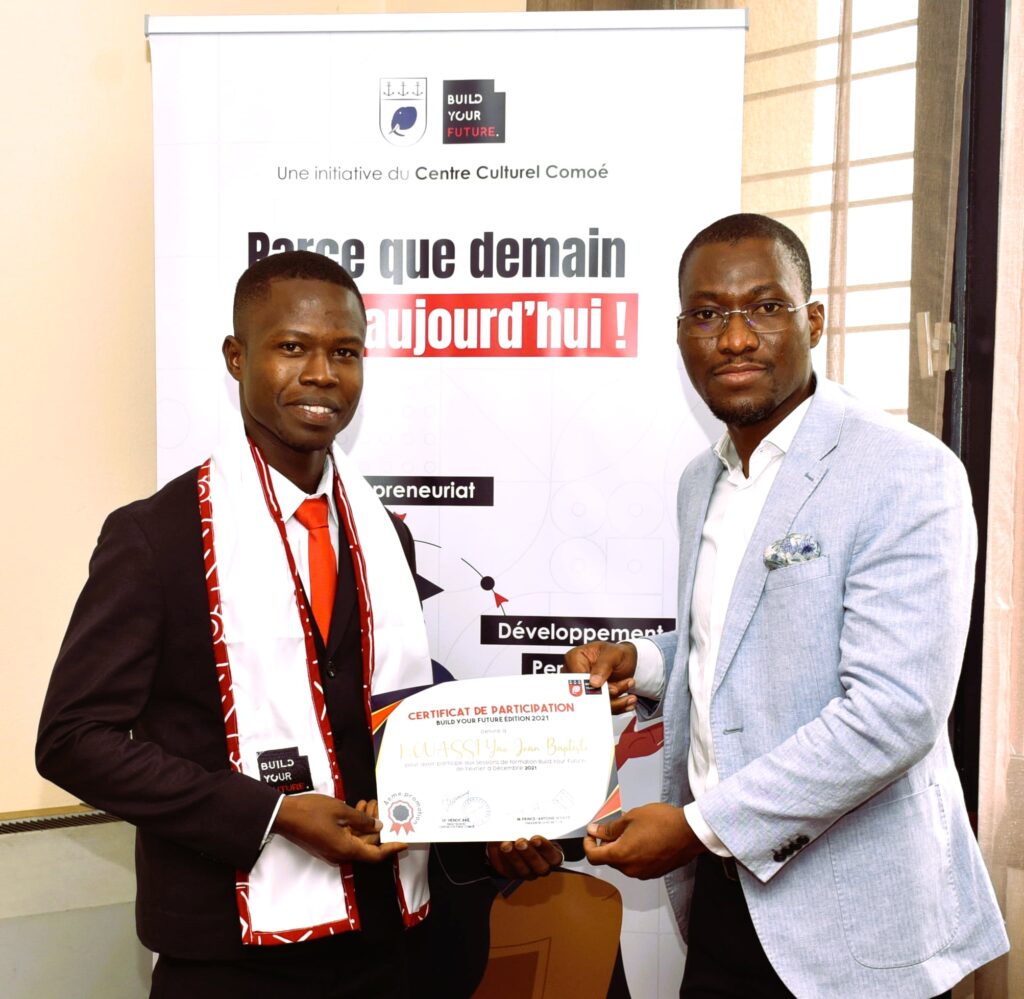
The BAKE Academy promotes the farming and sustainability of snails to be used for cosmetics and human consumption. His company also provides training to women, youths, and retirees to learn how to become snail farmers and add to their family income.
“Participating in BYF allowed me to mature my project: I went from a simple idea to a concrete initiative that I am currently working on. The program taught me better organization, effective time management, and a positive evolution of my mindset to broaden the impact of my enterprise,” said Kouassi.
One interesting aspect of BYF is an attempt to teach young men about dining etiquette.
“We have one full day where we teach the basics about how to eat at the table. We serve the class special foods at a catered meal,” said Amany.
“One of our students had an internship and had to go out for a business lunch. His boss later told us that our student was the only one who knew how to eat properly,” said Lhote.
The Importance of Solidarity
Every year, ADESC takes a group of young men on a trip for 15 days to do community service. They paint and build schools in a village. The young men do all the fundraising to buy the materials. They also spend time working with poor children.
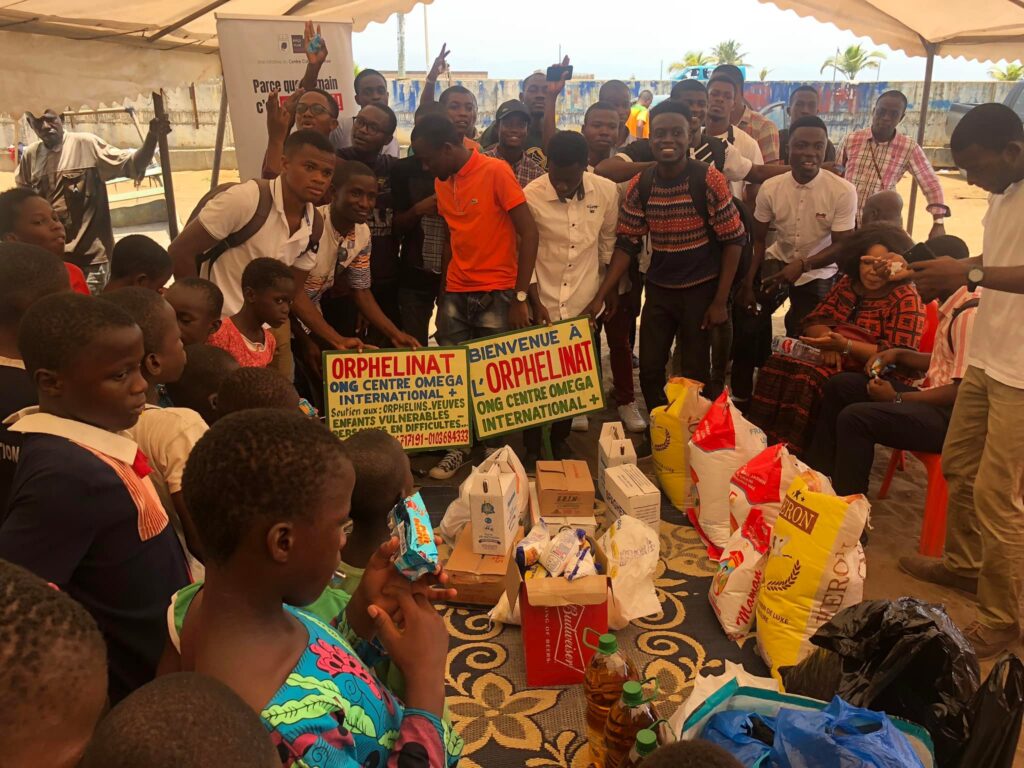
“We have been doing this for 30 years. They do this even if they are coming from poor families themselves. They see people who are poorer than themselves. They learn to help others, and by doing this, they learn solidarity,” said Lhote.
“It is interesting. The boys complain a lot during the year. They say that things are not good. But during the two weeks, they realize how lucky they are. They don’t complain at all! They come back changed,” said Amany.
The participants in BYF, though from different religions, appreciate the values being taught. All BYF participants are encouraged to become future mentors of the program.
“We do not teach classes in Christian doctrine, though this is available upon request. The values we teach are universal: charity, solidarity, having good ethics. During our two-week trip, we always have a priest, and Muslim students are very happy to be with them,” said Amany.
At the end of the year, BYF has a graduation ceremony where families are invited to attend.
“The parents are so proud. They finally see what their sons have been doing on Saturday mornings,” said Amany.
Many of the boys know that Amany and the other coaches are professionals who teach in business schools.
“They ask me: why do you do this? But me personally, I am an alum of this program. I did this when I was 25, in an earlier version of BYF. I tell them that I am not wasting time. I also learn from them,” said Amany.
The Effect of BYF
The BYF coaches have seen many participants who had dropped out of university decide to return and finish their degree. Others have become more engaged in social justice.
“One of our students was studying medicine. He was elected president of the BYF group. After this, he created a group of medical volunteers within his college to organize medical assistance for the poor,” said Amany.
Kouassi’s BAKE company runs a program to support women.
“BAKE Academy organizes awareness and empowerment sessions for women in rural areas. We observed that these women often lack stable sources of income. In response to this reality, we decided to promote their autonomy through snail farming. Now, each woman can have her own snail farm. Once the snails reach maturity, we buy their production to sell it on the market in the capital,” said Kouassi. “This model allows women to generate their own income while contributing to species preservation and sustainable local development.”
BYF does not only change the students. It has made an impact on the coaches as well.
“I became more aware of Corporate Social Responsibility issues,” said Amany. “I am now also working at a university, and we are looking at what the university can be doing for the community.”
“I see hope in the young people,” said Lhote. “When the kids are well formed, they can do good things. Our work here is just a drop in the ocean…but it helps.”
The Clover Foundation is helping ADESC through a grant, to build a new center called Centre de Formation et d’Appui à l’Insertion Professionnelle (CEFAIP). Their objective is to train approximately 300 students in the future.
| The History of ADESC ADESC is a non-profit that was founded in 1984 in the Ivory Coast, with the goal of social and economic development for boys and girls. ADESC has four areas of intervention:(1) professional, (2) health, (3) scholastic and (4) doctrinal formation. BYF is just one of its professional initiatives. Another ADESC program provides vocational training to hundreds of young people in the area of construction, electrical work and hospitality. ADESC’s health initiatives aim at reducing maternal and infant mortality and has benefited 2,455 individuals through improved access to medical care. On the scholastic front, ADESC provides scholarships to underprivileged children. For females, ADESC has an academic and values program for university girls, to help fight a cultural bias in the country against the education of women. ADESC has an after-school tutoring program for children ages 7-12, for 4 hours per week. ADESC also has a teacher training program that has impacted 3000 women with classes on human rights, information technology, and leadership applied to education and school-family synergies. |